Address
304 North Cardinal
St. Dorchester Center, MA 02124
Work Hours
Monday to Friday: 7AM - 7PM
Weekend: 10AM - 5PM
Address
304 North Cardinal
St. Dorchester Center, MA 02124
Work Hours
Monday to Friday: 7AM - 7PM
Weekend: 10AM - 5PM

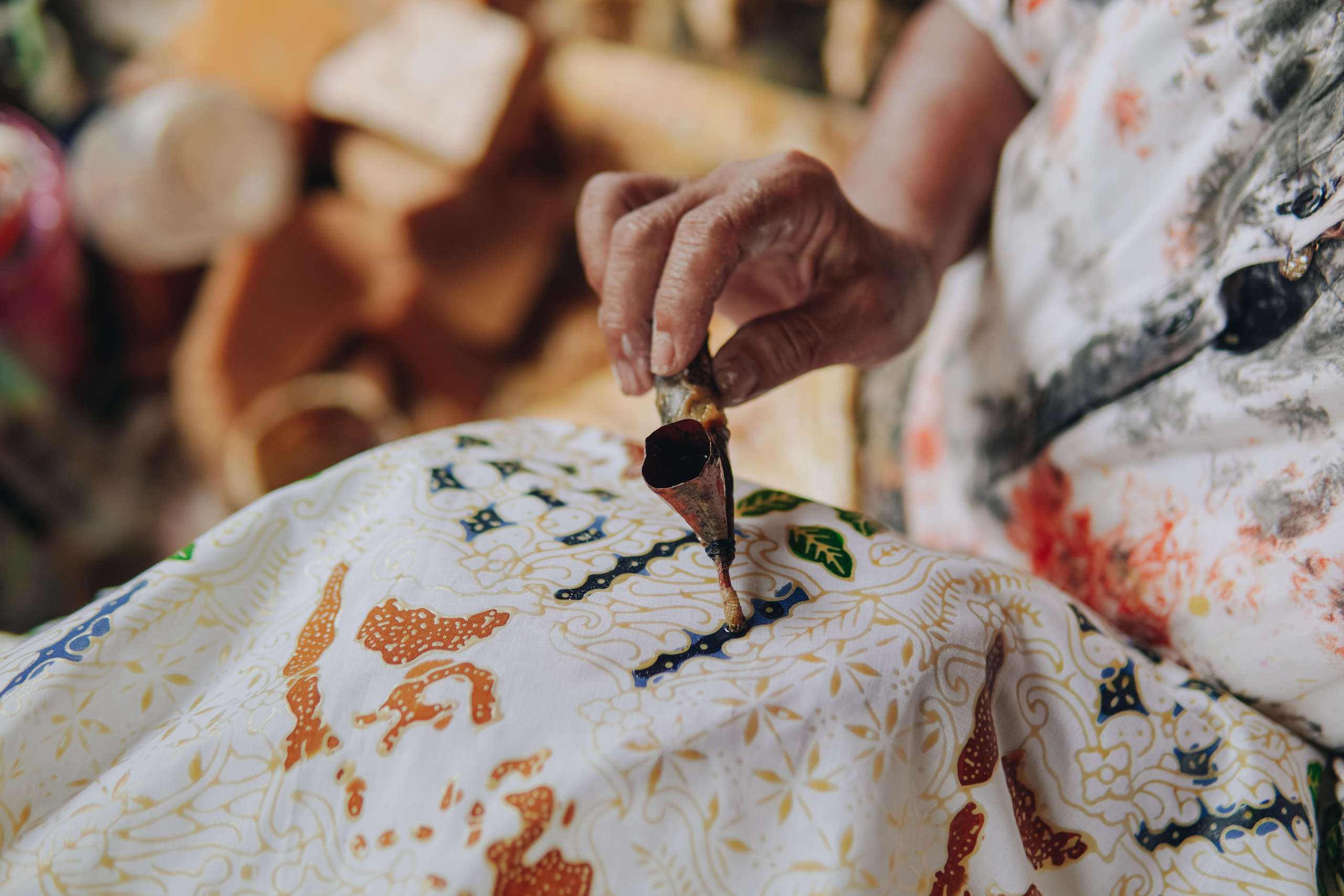
The first attempt at hand stitching often feels unpredictable. One stitch pulls too tight, the next sits loose, and the line drifts instead of staying straight. This unevenness does not come from lack of talent but from unfamiliar control over tension and spacing. Fabric responds to pressure in subtle ways, and thread behaves differently depending on how it is guided. The goal at the beginning is not perfection, but awareness of how each movement affects the result.
Start by slowing everything down. Take a scrap piece of cotton fabric and mark a simple straight line with a pencil. Thread a needle with a manageable length, no longer than your forearm, and begin stitching along that line using evenly spaced entry points. After each stitch, pause briefly and observe how the thread lies against the fabric. This pause builds a connection between action and outcome, which is essential for improvement.
A common mistake is pulling the thread as tightly as possible after every stitch. This creates puckering, where the fabric gathers and distorts. Instead, guide the thread until it rests flat against the surface without forcing it. If the fabric starts to wrinkle, gently loosen the previous stitch before continuing. This adjustment teaches control rather than correction after the fact, which is far more effective in building consistency.
Another issue beginners face is inconsistent spacing. Stitches may start evenly but gradually become longer or shorter without notice. To counter this, use the tip of the needle as a measuring guide. Insert it at a consistent distance each time, using the previous stitch as a visual reference. Over time, this rhythm becomes internalized, reducing the need to consciously measure each placement.
A simple daily practice can be done in about fifteen minutes. Spend the first few minutes preparing the fabric and marking two parallel lines. Use one line for slow, deliberate stitching, focusing entirely on even tension. Then move to the second line and try to maintain the same quality with a slightly faster pace. This shift introduces control under mild pressure, which is closer to real project conditions.
Progress becomes noticeable when stitches begin to look similar without constant correction. Small irregularities will still appear, but they will no longer dominate the work. At that stage, the hands start to remember what even tension feels like, and the eyes learn to catch problems earlier. This quiet coordination is what transforms basic stitching into a reliable skill that can be applied to more complex patterns.