Address
304 North Cardinal
St. Dorchester Center, MA 02124
Work Hours
Monday to Friday: 7AM - 7PM
Weekend: 10AM - 5PM
Address
304 North Cardinal
St. Dorchester Center, MA 02124
Work Hours
Monday to Friday: 7AM - 7PM
Weekend: 10AM - 5PM

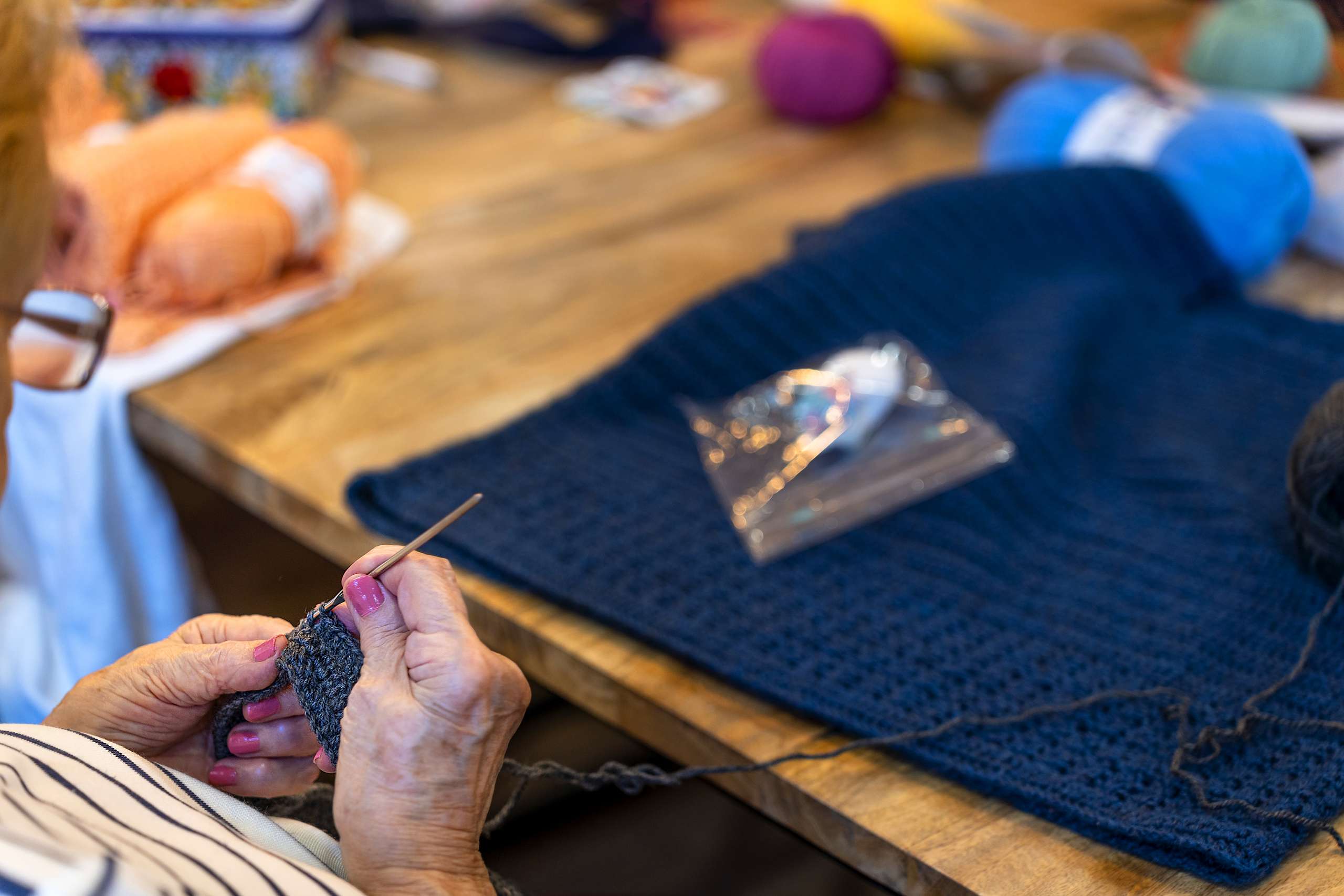
Sitting down with fabric, thread, and a clear intention can quickly turn into distracted stitching where patterns drift and attention fades. This often happens because the hands are moving, but the mind is not fully engaged with the process. In embroidery, progress depends less on time spent and more on how deliberately each stitch is placed. Without that focus, repetition becomes careless rather than constructive.
Begin by choosing a very small motif, something that can fit within a few centimeters. Working on a limited area keeps attention anchored. Before starting, take a moment to trace the design lightly and look at how the lines flow. Then begin stitching slowly, following the curve or shape as if drawing with the needle. The goal is not speed but accuracy in direction and placement. Each stitch should feel like a continuation of the previous one.
A common mistake is jumping between stitches without fully understanding how they behave. For example, switching from backstitch to satin stitch too early often leads to uneven fills and broken outlines. It is better to spend several sessions with just one type of stitch, observing how it reacts to curves, corners, and changes in tension. When something looks off, stop immediately and examine the last few stitches rather than continuing and hoping it improves.
Another issue arises when attention drifts during longer sessions. The hands keep moving, but spacing becomes irregular and thread tension fluctuates. To prevent this, work in short, focused intervals. After every few minutes, pause and look closely at what has been done. This brief check helps reset concentration and keeps the quality consistent across the piece.
A simple practice approach can fit into a short daily window. Spend a few minutes outlining a small shape using one stitch, concentrating on even spacing. Then continue filling or extending the design with the same stitch, maintaining the same rhythm. If the stitches begin to look inconsistent, slow down immediately rather than pushing through. This habit trains awareness and prevents mistakes from compounding.
Over time, focused practice changes how stitching feels. Instead of reacting to mistakes, the hands begin to anticipate them. Lines become smoother, curves more controlled, and the overall design holds together more naturally. What once required constant correction starts to flow with intention, making each session feel more steady and satisfying.